
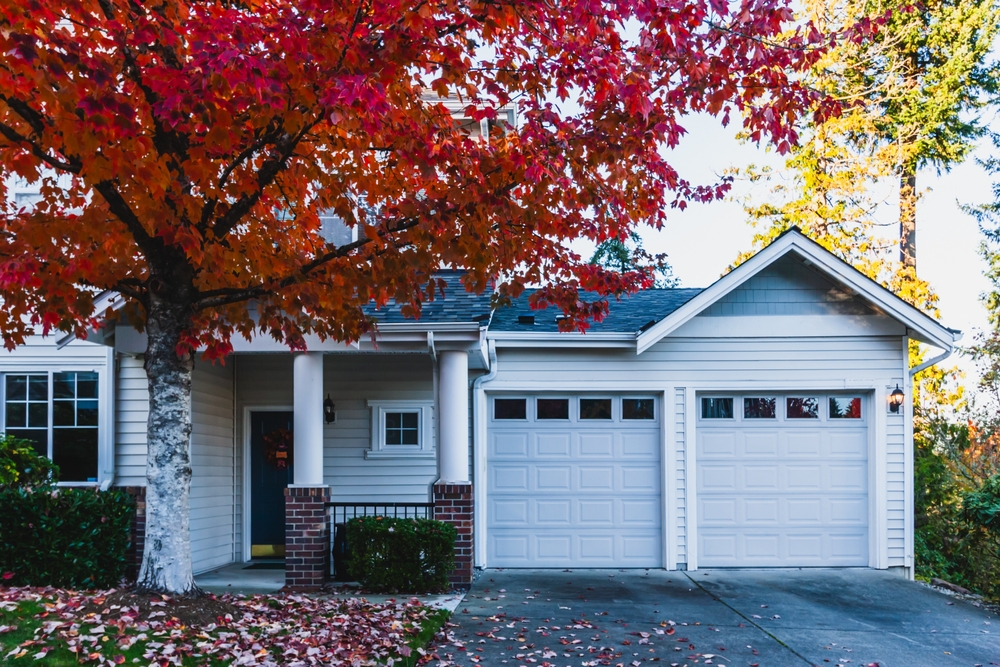
Autumn is the seasonal sign of change with its glorious color shifts. However, burst pipes or a fallen tree could cause a serious interruption to family time and create a sudden financial burden for investors as we head into the holidays. Some weather-related losses can be easily prevented by carefully considering autumn property risks in every climate. Share the tips below with your investor clients to help them battle the elements year-round, no matter where their properties are located.
Colder Temperatures
It’s no surprise that the main fall weather concern for most of the United States involves colder temperatures. Depending on how far north or south the property is and the elevation, frosts, freezes, and hard freezes occur on varied timelines. For example, while Kansas City, Missouri experiences one of its first freezes of the year, Daytona, Florida typically has lows in the 50s. For this reason, it’s important to know what constitutes a frost, freeze, and hard freeze so investors can get ahead of the weather for their specific area. The National Weather Service defines them as follows:
- Frost occurs when there is a solid deposition of water vapor from the air. Frost will form when solid surfaces are cooled below the dew point. During a frost, minor damage to plants can occur.
- Freeze occurs when the air temperature drops to 32° Fahrenheit or lower. Freezes can cause significant damage to many unprotected plants, especially if the freeze lasts several hours.
- Hard Freeze occurs when the temperature reaches 28° Fahrenheit or lower for at least a few hours. Most plants and seasonal vegetation won’t survive a hard freeze.
Frozen Pipes & Ice Dams
Preventing Frozen Pipes
Frozen pipes aren’t a problem…until they fail and allow thousands of gallons of water to go rushing into the property. Thankfully, they are also easy to prevent.
- Winterize vacant properties – Shut off the water at the street and drain plumbing systems. Pouring environmentally safe, biodegradable antifreeze in each drain can keep p-traps, toilets, sinks, and tubs from incurring costly damage. Maintain the heat at a minimum of 55° or higher in cold snaps.
- Protect occupied properties – Insulate any pipes that are on exterior walls. Instruct tenants to open cabinets during cold snaps to let warmer air circulate into those areas. Leaving faucets on a slow drip may also keep the water moving enough to prevent a freeze.
Preventing Ice Dams
Ice Dams are the result of a poorly insulated attic. When snow melts then quickly freezes, it puts a heavier load on the roof. As the ice melts, it can seep into soffits and down interior walls, causing paint damage, and if the ice is heavy enough, it may even cause a collapse. So, what’s the remedy?
- Seal up any air leaks in the attic. Check near eves and where ceiling heights change. Any place where two surfaces create a joint can present an opportunity for water leaks from ice dams.
- Evaluate insulation. The recommended amount of insulation varies depending on the property’s geographic location, so know the code standards in the property’s area and insulate accordingly.
- Properly vent the roof. To prevent heat build-up and encourage air movement, vent the underside of the roof deck. The vents also help eliminate excess moisture that causes mold or other health hazards.
Fires
According to the National Fire Protection Association, more house fires occur in December, January, and February than any other time of year.
- Heating Appliances – Dust buildup creates a fire hazard, so clean HVAC systems at least twice a year. Ensuring tenants have proper heat can also keep them from using the stove or other dangerous methods to stay warm. Using the oven to heat the home has led to many house fires, as have space heaters. If the lease permits space heaters, they should be plugged into an outlet, not an extension cord, and have an auto shut-off in case it tips over. Lastly, tenants should keep three feet of clear space around them.
- Fireplaces – Have the chimney inspected before tenants use it each year. Creosote buildup is highly combustible and could start a chimney fire. Search for a Chimney Safety Institute of America (CSIA) certified professional and learn more about chimney care on their website: www.csia.org.
- Cooking Fires – The most common days for cooking fires are Thanksgiving Day, Christmas Eve, and Christmas Day. These fires are preventable. Ensure all properties have working smoke alarms and test them monthly. A fire extinguisher should be kept in the kitchen; follow the manufacturer’s guidelines for maintenance and instruct tenants how to use it before they move in. StoveTop FireStop is another inexpensive tool that can stop cooking fires in their tracks and prevent more costly damage or injuries to the cook or the property.
Tree Damage
Fall is the perfect time to manage dead limbs and tree disease. Once the leaves have fallen, it can make it easier for arborists to assess the health of the tree and prune or use treatments accordingly. Even if trees appear healthy, it’s always a good idea to have them checked annually. A certified arborist can see warning signs that most people may not pick up on. Tree damage can cost tens of thousands of dollars, and a falling tree may cause a severe injury, so be sure they are always on the property’s maintenance checklist. Trees also add value to a property, so maintaining healthy trees can make investments more appealing to renters and buyers alike.
Slip and falls
One of the most common lawsuits we see involves slip-and-fall accidents. Some may be false claims, but a slip-and-fall is often a completely preventable risk. A tumble down the stairs caused by a faulty railing or a slip on a deck could cause long-term injuries to tenants or one of their guests. Complete frequent inspections of all properties for both exterior and interior hazards, such as uneven pavement and faulty electrical circuits. Specify in the lease who is responsible for clearing walks and driveways in inclement weather and stress the importance of contacting the property manager immediately if any hazard is discovered. Maintenance requests must be responded to in a timely manner.
REInsurePro Seasonal Checklists
To help investors stay on top of the most important maintenance tasks, we have created a “top 10” list for each season. Taking care of these items can help investors avoid costly damage to their property, making injuries less likely to occur. These four checklists together can be used to help investors build their own customized checklist.